Welcome to professional learning at Stanford Graduate School of Education. We offer a variety of research-based learning opportunities for educators and school system leaders.
Take a look at what we have to offer and consider joining our community of education professionals, learning together to support excellence and equity in education.
Attend a webinar, workshop, or multi-day institute. Our learning opportunities are designed to be engaging and model effective teaching practices. Join us!


Our cohort-based learning experiences leverage Stanford faculty and research, collaboration with peers, and ongoing support to take your career to the next level.
CSET’s School Leaders Program is an online, cohort-based program for school site leaders who are committed to disrupting power dynamics and cycles of oppression through social justice leadership and a critical examination of school curricula, policies, and culture.
The GSE’s National Board Resource Center offers an online, cohort-based program of support for educators seeking National Board certification. The program is open to all teachers interested in high-quality collaboration and professional development.
Our research centers offer a variety of online, self-paced learning opportunities for educators and school leaders.
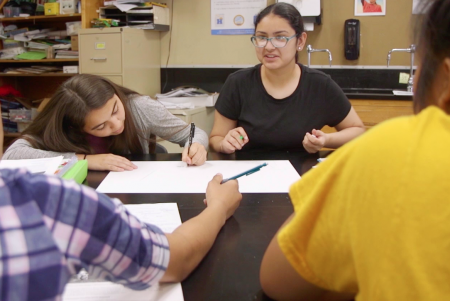
From online workshops to multi-year cohort-based programs, Stanford GSE provides multiple ways to engage in professional learning.

Our research centers develop a variety of resources for educators at all levels as well as teacher educators. Visit our resource page to browse our offerings.

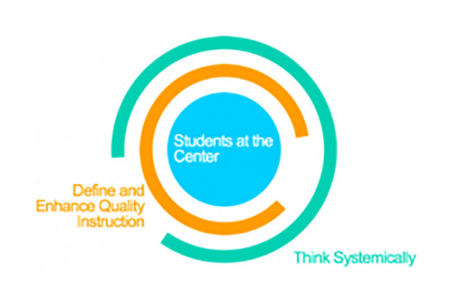
Center to Support Excellence in Teaching works in educational partnerships to solve persistent problems of practice by improving the quality of instruction, keeping equity at the center of the work, and developing leaders.

Challenge Success provides schools and families with proven strategies that promote well-being and engagement with learning to transform the student experience. They offer resources and learning experiences for schools, families, and students.

The California World Language Project (CWLP) is a collaborative project that conducts research on topics pertaining to Second Language Acquisition and sponsors professional learning opportunities for World Language educators.
Youcubed’s mission is to inspire, educate, and empower teachers of mathematics, transforming the latest research into accessible and practical forms. Youcubed offers learning opportunities, community, and resources.
GSE faculty bring the latest advances in the social sciences, technology, and teacher preparation to the field of education. You can learn more through our research centers page.
Subscribe to our professional learning newsletter for bimonthly updates on learning opportunities and resources.
Subscribe to the GSE’s monthly newsletter, The Educator, for the latest on our education research.
Interested in hiring our graduates? You can list your open positions in our careers portal on our career resources website.
We’d love to hear from you! For questions or to inquire about customized learning experiences for your school or district, please contact


© Stanford University, Stanford, California 94305.