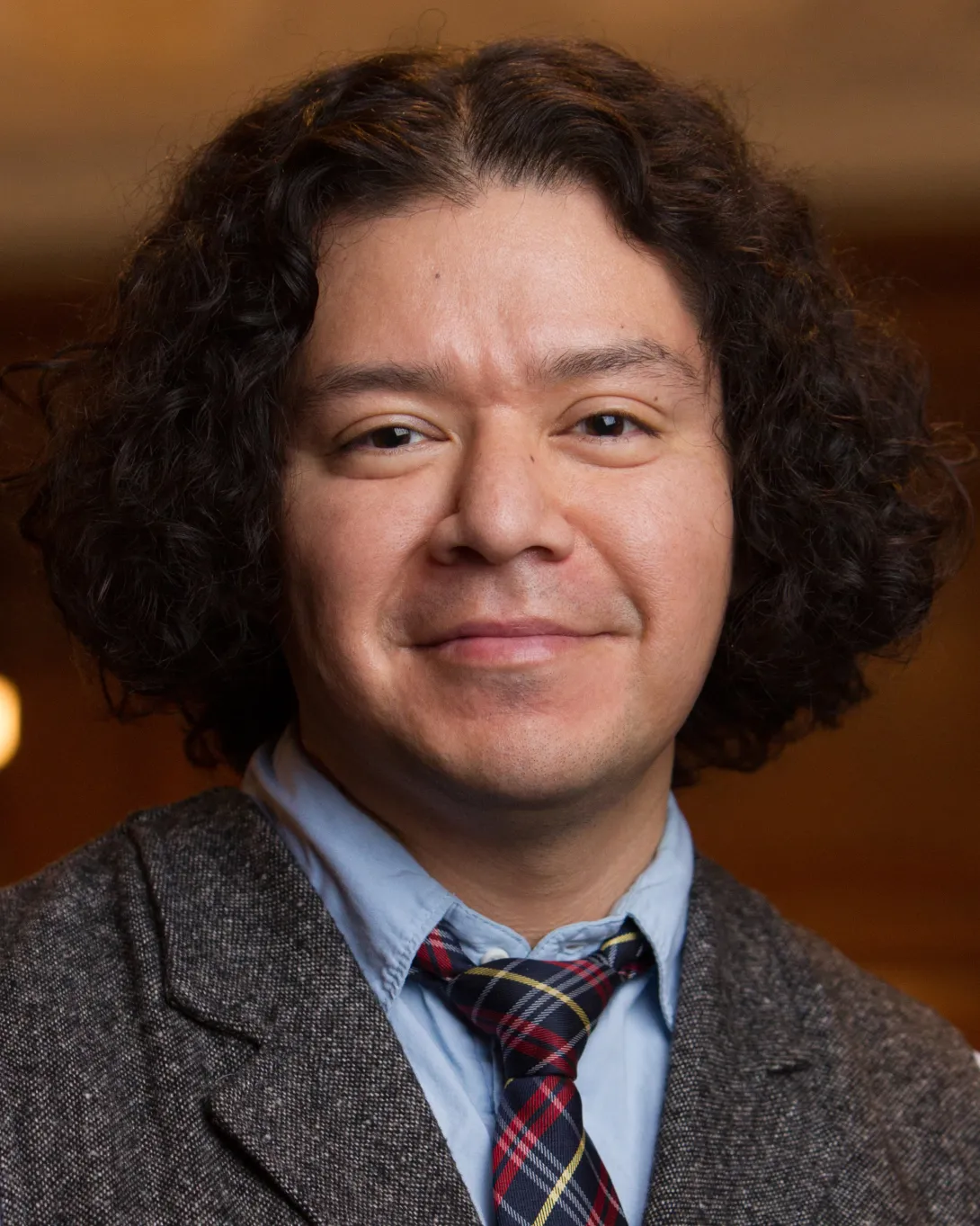
JOB TALK: Education and Poverty
Poverty, Immigration, Ethnicity, & Educational Access
Dr. Perez aims to unpack the heterogeneity among Latino immigrant student populations to better understand the relationship between poverty, ethnicity, and academic success. Undocumented and indigenous immigrants fleeing rural poverty represent a large percentage of the increased migration flow over the past two decades from Mexico and Central America to the United States. Once they settle in the U.S., poverty, legal status, and indigenous background provide significant challenges to the educational success of their children. Recent estimates indicate that the poverty rate for undocumented youth is 51% and as high as 90% for indigenous immigrants. He will present findings from his research on the psychosocial processes associated with academic success among undocumented and indigenous immigrant students who grow up in a context of extreme poverty. More specifically, he will describe how these students succeed in school and become civically engaged, despite adversity, by drawing on various psychosocial “assets” such as ethnic identity, resilience, bilingualism, biculturalism, and a strong sense of family obligation developed through various cultural experiences unique to immigrant youth, including language brokering, socialization experiences that encourage a collectivist cultural orientation, and transnational ties to their communities of origin. He will also discuss implications for K-12 and higher education policies, as well as immigration reform legislation.