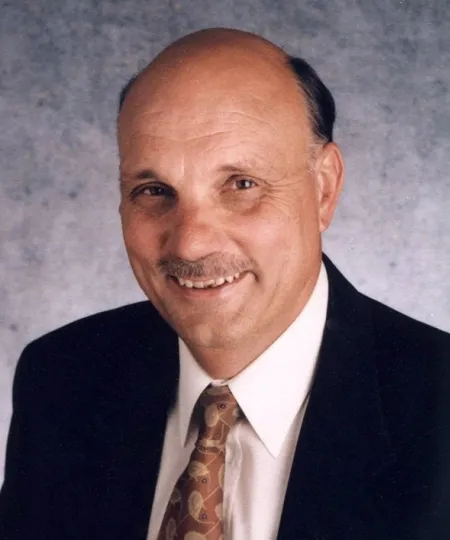
Michael Kirst, Mitchell Stevens, and Colleagues
Colleges and universities with essentially open admissions enroll the
vast majority of US students, yet until very recently they received
only a small proportion of the social-science attention given to higher
education. Academic researchers, policymakers, journalists, and the
general public often are attracted to the glamour of academically
selective schools – the handful of "elite" institutions to which
admission is a coveted prize. This attention bias in favor of elites
poses important intellectual, political, and policy problems as we
consider the state of higher education in the US. It makes a small
number of statistically atypical schools the implicit standard by which
many others appear as lesser imitations. It fogs policy discussions
with outdated conceptions of “traditional” college students on
"traditional" campuses. It distracts many researchers, philanthropists,
and elected officials from understanding and responding to sweeping
changes in the organization of US higher education. In light of the
Obama administration’s ambitious new goals for college attainment, the
need for researchers to assess higher education without distortion is
especially important.
Long and still the envy of the world, our national higher
education system was built during some of the most prosperous and
optimistic decades in American history. In the 1950s, 60s, and early
70s, the general fiscal health of government, the baby boom, and the
geopolitical context of the Cold War brought investment in higher
education on an unprecedented scale. In 2011 the dream of a college
education for all Americans remains vital, but how to pay for and
deliver it is no longer clear. The federal government and most state
legislatures face chronic budget deficits. The costs of healthcare,
eldercare, and infrastructure maintenance are soaring. The price of
college – an investment whose lifetime returns remain impressive – grows
at a rate almost beyond comprehension. If the dream of a college
degree is going to remain viable for the majority of Americans, then
college will need to be delivered more efficiently, affordably, and
democratically than it ever has before. Yet currently available tools –
enhanced counseling, streamlined student aid procedures,
remedial/developmental education programs, and incentive - based
financing – yield only modest and incremental improvements in rates of
college completion. They fall far short of the dramatic changes
required to significantly boost completion while lowering costs.
Visit our website at http://cepa.stanford.edu/ecology