Lotan affirms to program to recruit inner city kids to teach in inner cityProgram makes inner city teachers out of inner city students
May 23, 2006
Associated Press
MARIA SUDEKUM FISHER
KANSAS CITY, Mo. - Teonna Lee thinks hard about the inner city classrooms where she has been gathering field experience.

"I have learned some things this year. You know, about what to do in different situations," Lee says. "But most of the time it's just sitting down with kids, talking with them and getting their respect.
"I tell them, `Let's make this work, because I am not going anywhere.'"
That is exactly what the developers of a new teacher education program at the University of Missouri-Kansas City want to hear: that Lee, 19, won't be scared off by the challenges of an urban school, where teacher attrition after five years can be as high as 50 percent.
Lee is one of 11 students enrolled as the inaugural class of the university's new Institute for Urban Education, which recruits its students - future teachers, like Lee - from inner city schools similar to the ones they will teach in after graduation.
Other universities, like UCLA, Temple and Rutgers, have sought to address the concerns of urban educators, whose workdays can include everything from metal detectors and fights to gang threats and drug busts, and whose students often face their own challenges, among them absentee parents, teen pregnancy and low self-esteem.
But IUE officials hope they are on to something different by recruiting most of their students from inner city schools.
"The normal teacher education model is to prepare teachers for everything; it's a very broad education," said Jennifer Waddell, IUE associate director. "But then they come in to the schools and there's culture shock, they can't relate to the students, and they leave."
Some members of the IUE's current class of students are the first in their families to attend college. Many wouldn't be in college if it weren't for the program, which offers participants full four-year scholarships but then requires that they teach for four years in one of the institute's three partner school districts, Kansas City, Mo., the Hickman Mills district in Kansas City, and Kansas City, Kan.
"These students know the communities, and they understand the schools they came from," said IUE Executive Director Edward Underwood. "They're less likely to leave the profession if we give them what they need to go back and teach there."
Students in the IUE program, which focuses on math and science education, receive a great deal of mentoring and guidance from IUE staff and from across the university, Waddell said. They also have to maintain a 3.0 grade point average. By the end of the four years, they will have about 1,400 hours of teaching experience in city schools.
"We're not like traditional teacher education programs, where they wait until their junior year to get into the classroom. We start them in the classroom from day one," Waddell said.
The IUE program focuses on teaching math and science in inner city elementary schools this year. Middle school is being added in the fall, and high school education will be added in two years.
The program has accepted 16 students into next year's class and received applications from around the country. About 65 percent of the upcoming class came from city schools.
Underwood said all IUE students - even those who come from outside the Kansas City area - will be required to teach in one of the partner districts for four years after graduation.
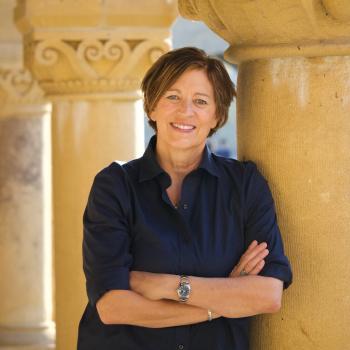
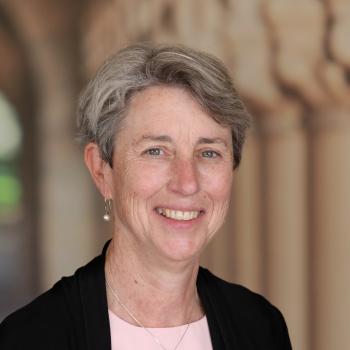
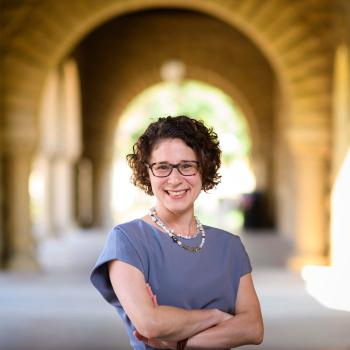
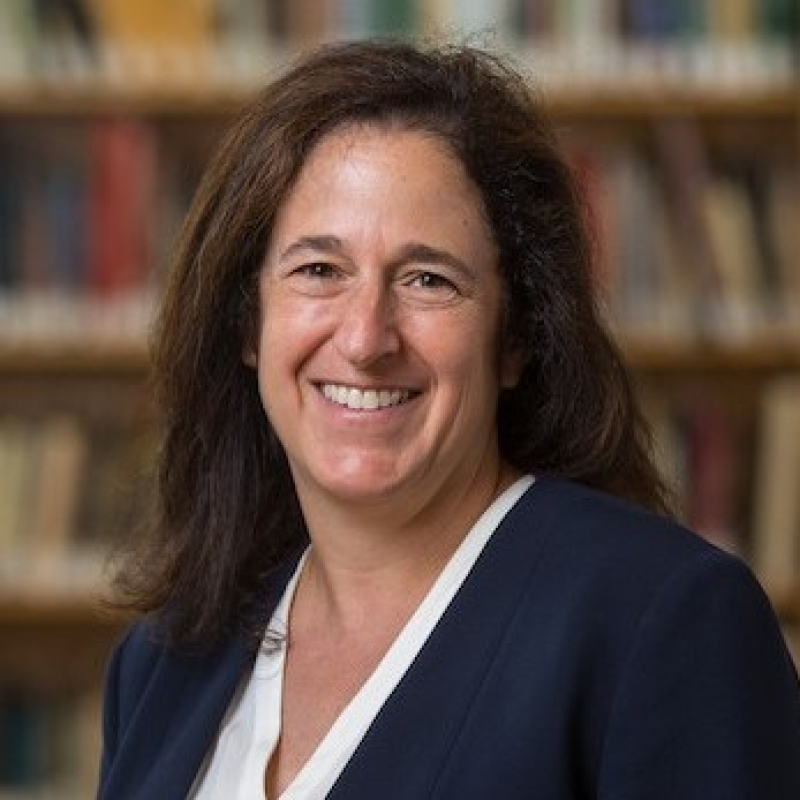
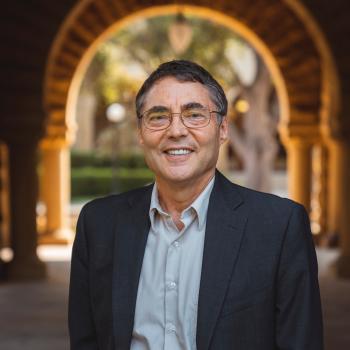
The idea of having students who come from urban schools become teachers has a lot of appeal, said Rachel Lotan, director of the Stanford Teacher Education Program at Stanford University.
"It could mean a lot to the community to have their own sons and daughters come and teach," Lotan said. "But I think it's also really important that they don't replicate some of the teaching that they might have had if it was not up to par.
"But if they are in a program that presents them with the vision of the possible, I would think that it's a great idea," Lotan said.
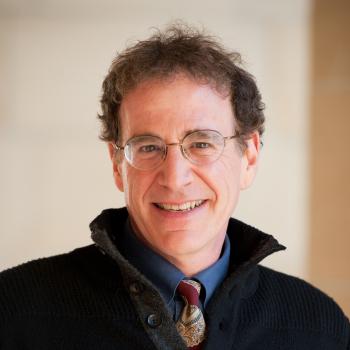
While there are "great advantages" to recruiting inner city students into teacher education programs, said Rosemary Steinbaum, director of teacher education at Rutgers-Newark, it would also be important to broaden the students' education.
"Kids who are raised and schooled in the inner city also need an opportunity to get out of the city ... to gain wider experience," Steinbaum said. "Certainly for teachers one wants to try to promote a wider lens than just city to city."
Underwood said he and others at UMKC and local districts came up with the idea for the IUE after searching for ways to help the area's city schools, some of which - like many other inner city schools across the nation - rank consistently low on national tests and high in dropout rates.
"What came out of those meetings was that we need teachers who understand, who can build relationships with families and communities," he said.
Lee said she feels guided to teaching because of her inner city school experiences, many of which were positive.
"I had some great teachers," Lee said. "But I also had one teacher tell me he was tired of teaching the unteachables. That just shocked me. I mean, who is unteachable? |